

Bank of England to replace Churchill, Austen, Turner and Turing portraits on note backs with wildlife
The Bank of England says the reverse of its next banknotes will show British wildlife and birds, while King Charles III stays on the front.
 Images are not validated/verified
The Bank of England, Britain's central bank, has announced a major change to its currency. For several decades, British pound notes have carried portraits of well-known figures who shaped the country's history. The notes to be issued in the coming phase will instead show images of Britain's native wildlife and distinctive birds, in place of a historical portrait of a person.
Following the decision, the portraits of Sir Winston Churchill, who led Britain during the Second World War, the celebrated novelist Jane Austen, the great painter J.M.W. Turner and Alan Turing, the father of modern computer science, will be gradually removed from the back of the notes. The unprecedented decision has set off considerable discussion in economic and political circles around the world.
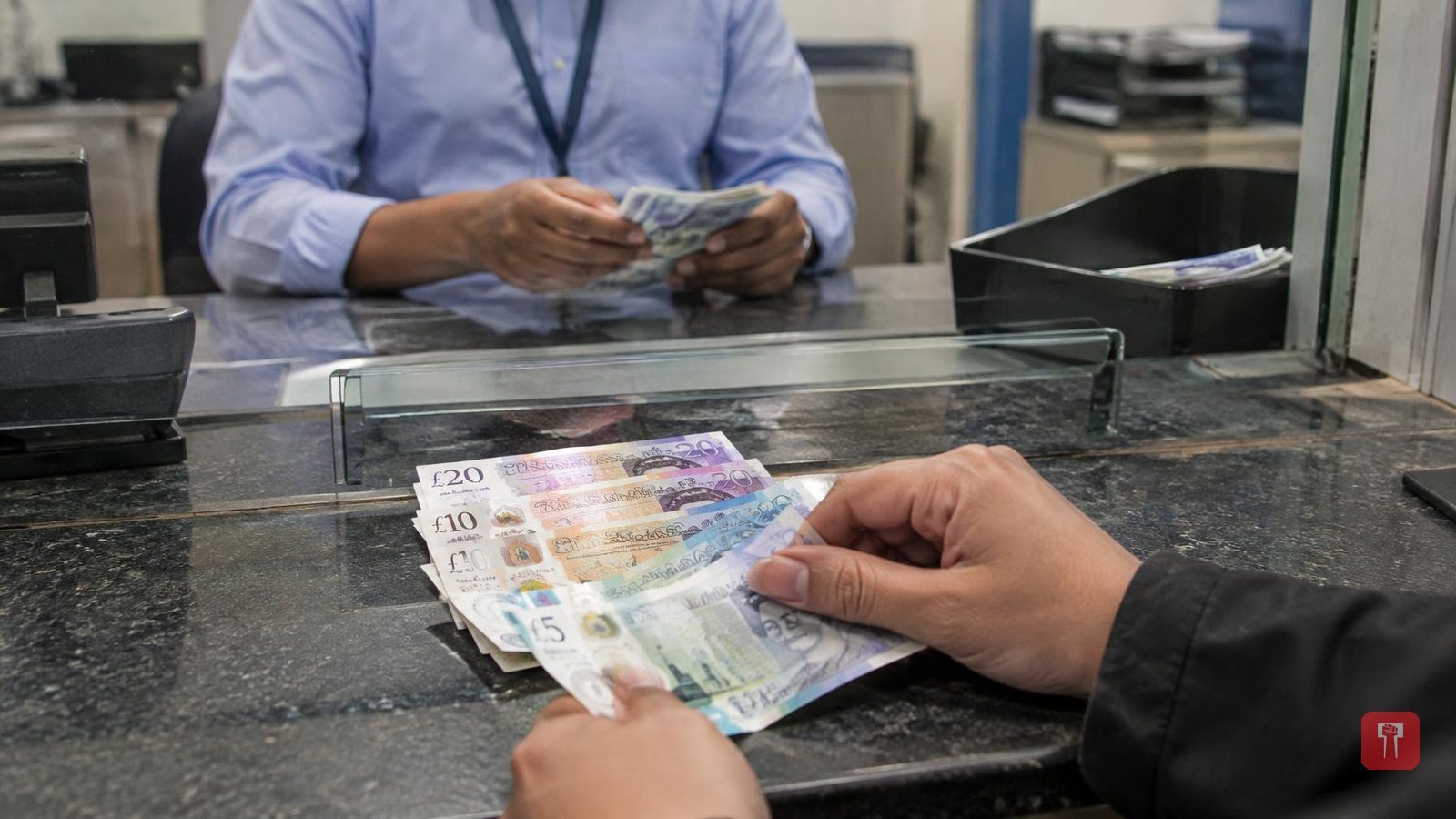
Under the Bank of England's earlier practice, these portraits appeared on the 5, 10, 20 and 50 pound notes. The 5 pound note carried former Prime Minister Sir Winston Churchill. The 10 pound note carried the well-known author and novelist Jane Austen. The 20 pound note carried the painter J.M.W. Turner, known across the world, while the 50 pound note carried the mathematician and computer scientist Alan Turing.
The back of all these notes will now be redesigned completely and will show images of nature and wildlife. The central bank has made clear that the portrait of the British monarch, King Charles III, will remain on the front of the notes as before.
To decide which animals should appear on the notes, the Bank of England held a public consultation across the country. More than 4,78,000 people took part. A shortlist of 18 animals was drawn up with the help of wildlife experts and conservation organisations, and people chose their favourites from it.
In the results, the buff-tailed bumblebee received the most votes, more than 3,60,000. The barn owl, the distinctive night-time owl, and the small mammal the European hedgehog were the next most popular. To represent marine ecology, the bank has also included the popular bird the Atlantic puffin among the final four.
According to the bank's chief cashier, Victoria Cleland, the change is driven not only by appearance but also by security. The fine and intricate images of wildlife and birds will make the notes extremely hard to copy or counterfeit. Using modern technology, security threads and materials science, the bank wants to make these notes the most secure in the world.
Digital transactions have also risen rapidly in the United Kingdom, and fewer than 10 per cent of all transactions are now made in cash. In such times, the unusual step is being taken to keep paper or polymer currency in use and to keep people emotionally connected to their money.
