

Railways reviews RAC system over full fares charged for shared berths
 Images are not validated/verified
The railways is examining whether to scrap the decades-old Reservation Against Cancellation system, as concern grows over charging full fare for shared sleeping space.
The railways is reviewing the decades-old Reservation Against Cancellation (RAC) system and examining the possibility of discontinuing it. The reason is growing concern over whether it is right to charge the full fare when passengers sleep in shared space.
The aim is to improve travel conditions and address long-standing complaints about berth allotment on long-distance trains.
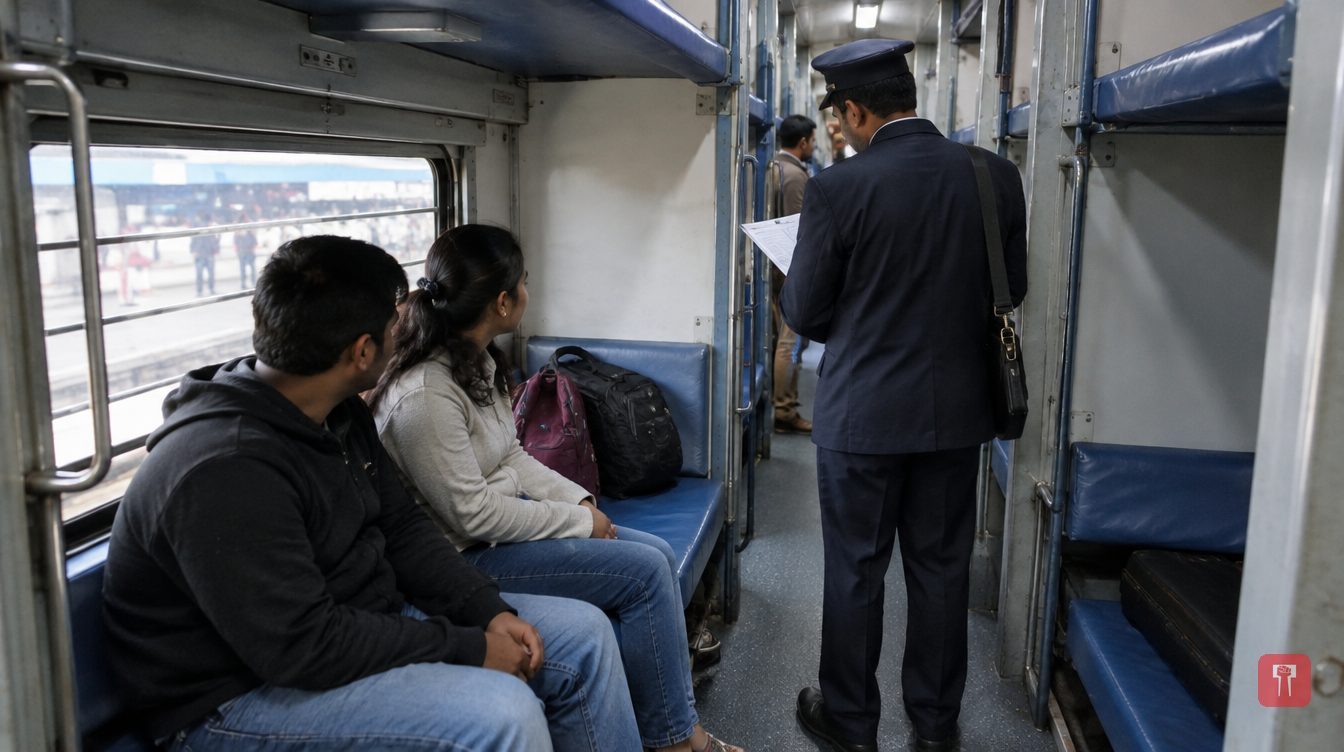
Under the current system, two passengers are given the same side-lower berth even after paying the full ticket fare. The berth is used for sitting during the day, while at night the available space has to be shared for sleeping. The arrangement is said to cause greater inconvenience on overnight journeys, when enough space for rest is considered essential.
Railway officials said the current practice is being assessed from the point of view of passenger convenience. The question has been raised whether a passenger who does not have a separate sleeping berth should be charged the full fare. A parliamentary panel has also recommended that the fare structure be reviewed so that fares are fairer for passengers who get shared space.
Under the current reservation process, passengers with RAC tickets can board reserved coaches, while waitlisted passengers are not allowed to. However, a separate berth is given only when a confirmed reservation is cancelled or vacant space becomes available. Until then, passengers have to share the space allotted, however long the journey.
Concerns have also been raised over cases in which male and female passengers are given the same berth. The arrangement is said to cause discomfort. Ticket examiners also often face difficulty when a train is completely full and alternative space has to be arranged.
RAC was introduced when railway reservations were mostly managed manually. The purpose was to accommodate more passengers and make proper use of berths vacated by cancellations. Given passengers' changing expectations and developments in the reservation system, the continuing need for it is now being reconsidered.
Meanwhile, the premium sleeper trains that are coming up have already been designed without any RAC provision. The exclusion of shared-berth arrangements from these services is being seen as a possible indication of future changes in reservation policy.
For now, no final decision has been taken on discontinuing RAC across the railway network. If the change is implemented, it could bring a major shift in current reservation practices, with greater emphasis on passenger comfort, fair pricing and separate sleeping space.
Reach readers on the ward they actually live in.
Advertise with Prime Time 24Reach readers on the ward they actually live in.
Advertise with Prime Time 24Reach readers on the ward they actually live in.
Advertise with Prime Time 24Choose primetime24.com as a preferred source on Google Google shows more stories from your preferred sources in Top Stories.
Reach readers on the ward they actually live in.
Advertise with Prime Time 24
Comments
No comments yet. Be the first.