

MGL raises CNG price by Rs 1 to Rs 90 a kg in Mumbai, sixth hike since January
 Images are not validated/verified
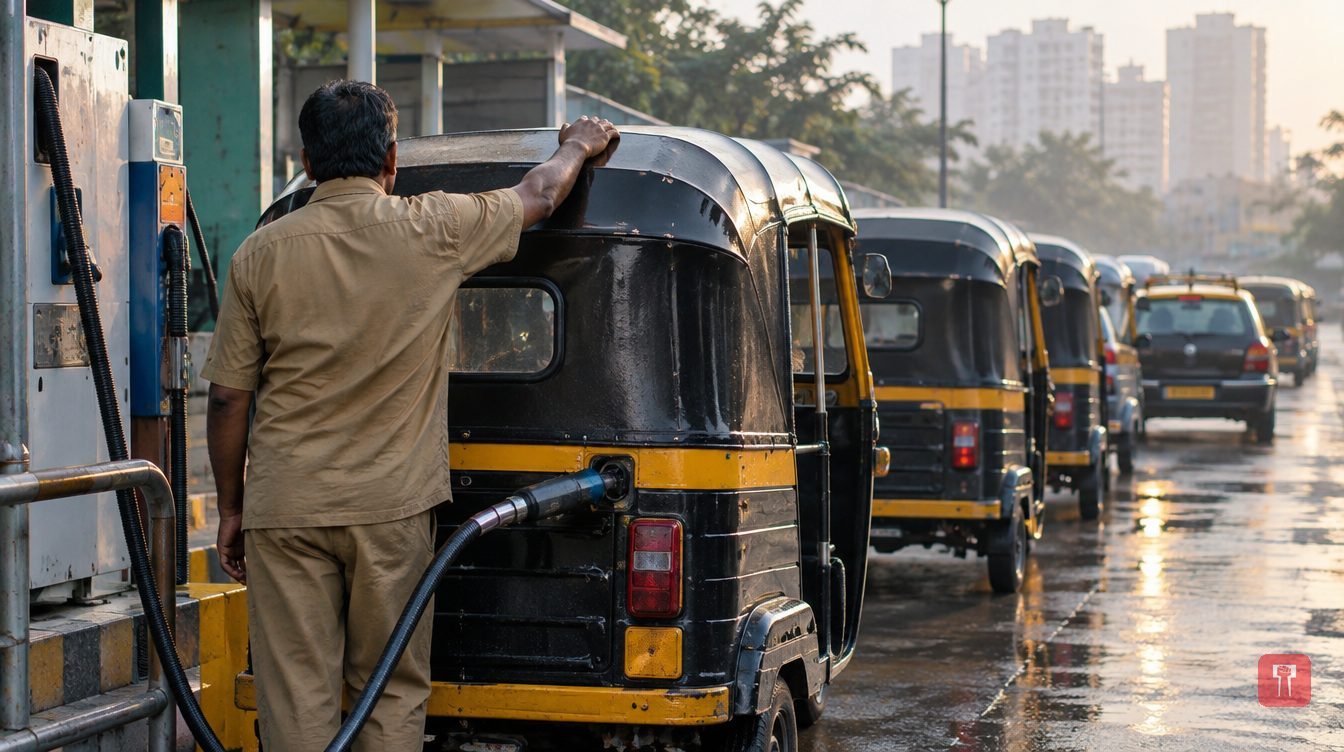
Mahanagar Gas Limited has raised the price of CNG by Rs 1 per kg to Rs 90, effective November 2, worrying auto-rickshaw and taxi operators.
CNG has become costlier in Mumbai and surrounding areas. Mahanagar Gas Limited (MGL) has raised the price of compressed natural gas (CNG) by Rs 1 per kg. The new rate of Rs 90 per kg came into effect on November 2.
This is the sixth increase since January 2026. Since April, CNG has become costlier by a total of Rs 9 per kg. The burden has fallen on both commercial vehicle operators and private vehicle owners.
MGL says the main reason for the increase is the rising cost of buying gas. The prices of imported regasified liquefied natural gas (RLNG) in particular have gone up. According to the company, gas prices in the international market keep fluctuating, which made procurement costlier and made it necessary to change the retail rate. Prices of imported gas are linked to global market indices, so any change in the international energy market directly affects fuel prices within the country.
The continuing increases have worried auto-rickshaw and taxi drivers, because fuel costs directly affect their daily earnings. CNG is used widely in Mumbai's commercial transport. Repeated price rises therefore put additional pressure on operating costs.
Transport unions fear that if prices keep rising in this way, they will have to demand another increase in passenger fares. Fares were revised recently, but if fuel prices keep climbing, another fare rise cannot be ruled out.
According to Thampy Kurian, president of the rickshaw union, the latest increase could add up to about Rs 4 to passenger fares. He also indicated that if CNG prices rise further and total operating costs go up by 25 per cent, a demand for another fare increase, with certain conditions, could be raised within six months.
Ordinary people who use CNG-run vehicles will also face costlier travel. With fuel prices rising overall, the economic advantage of running a CNG vehicle has shrunk somewhat. Those who regularly travel long distances may feel the blow more. Concern has also been expressed about what a fresh fare increase would mean for passengers.
What happens next will depend on fluctuations in fuel prices and the operating costs transporters have to bear. Given how international gas prices affect procurement costs within the country, all eyes will now be on future CNG prices. The increase has again drawn attention to rising transport costs in Mumbai and surrounding areas, and commercial vehicle drivers are trying to find relief from rising fuel prices.
Reach readers on the ward they actually live in.
Advertise with Prime Time 24Reach readers on the ward they actually live in.
Advertise with Prime Time 24Reach readers on the ward they actually live in.
Advertise with Prime Time 24
Comments
No comments yet. Be the first.