

Fadnavis promises ownership homes and quarters by 2028 for Mumbai's sanitation workers
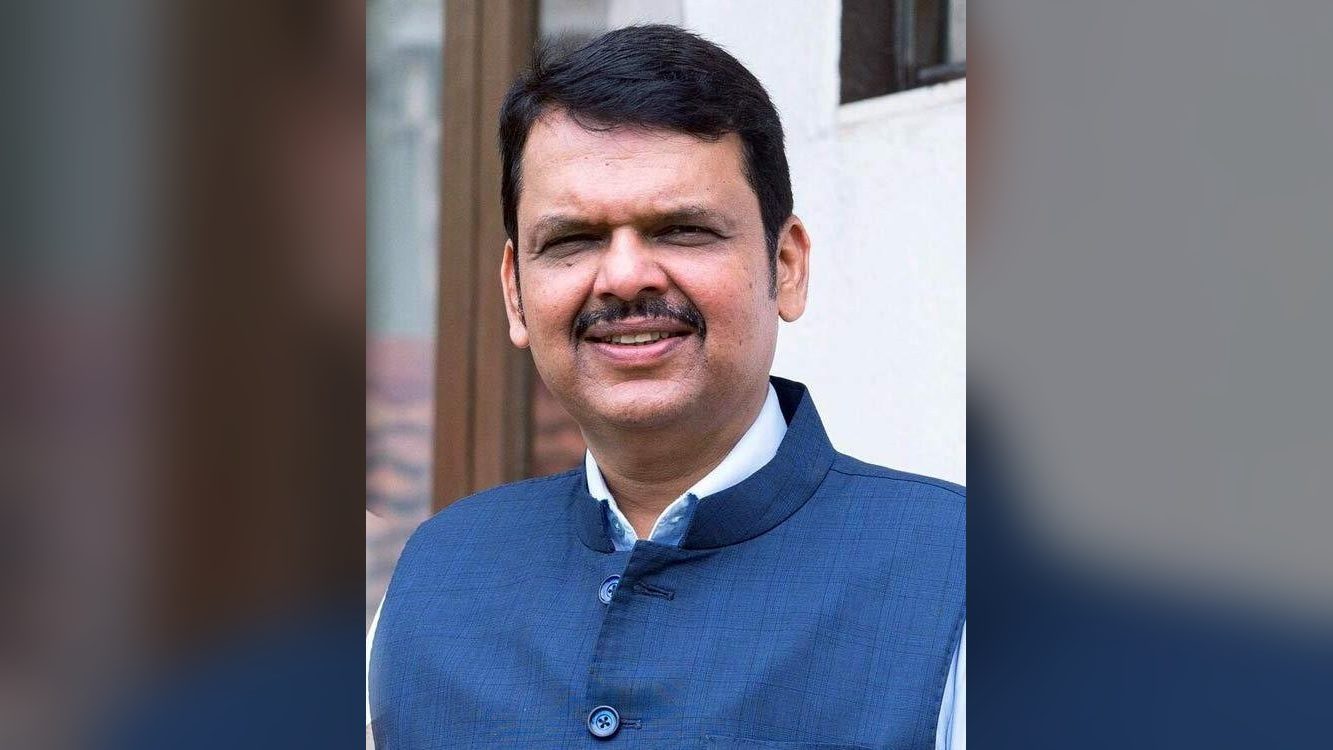
Chief Minister Devendra Fadnavis said the state will give sanitation workers ownership homes besides service quarters, as 140 flats were handed over in Colaba.
Chief Minister Devendra Fadnavis said on Friday that Mumbai's sanitation workers will be given homes they own, over and above service quarters. He also said every one of them will have a BMC quarter by 2028. He spoke at Panchsheel Nagar in Colaba, where keys to 140 new flats were handed to workers. The flats were built under the second phase of the civic body's Ashray scheme. The event marked the start of a long housing programme for the 29,000 sanitation workers the BMC employs, and it came around Diwali.
The two new buildings stand on Rajwadkar Street. Each flat measures 300 sq ft and has its own bathroom and toilet. Fadnavis said that for years, workers covered by the scheme lived in worn-out houses of 150 sq ft that relied on shared toilets and lacked many basic amenities. They have now moved into homes twice that size. He congratulated the Mayor, the Deputy Mayor and the Commissioner for the work. Deputy Chief Minister Eknath Shinde, Assembly Speaker Rahul Narwekar, Mayor Ritu Tawde and Commissioner Ashwini Bhide were among those present.
Fadnavis said these are the first BMC buildings put up with pre-fabricated technology. Until now, he noted, such methods were mostly seen in big private projects. He said the structure is built to last 100 years. Some 30 to 40 per cent of the plot has been kept open, and residents get shared facilities, including a community hall. The developer will maintain the buildings for ten years, so the families will have nothing to worry about on that front once they move in.
"Sanitation workers look after the health of Mumbaikars without putting their own health first. It is the government's responsibility to give them large, good homes." Fadnavis said the people who keep the city clean had been living in cramped, coop-like rooms. He added that a civic body counted among the richest in Asia has little reason to feel proud of that. After seeing the new flats, he said, he was sure a solution had been found and that a better life for the workers had begun.
The Chief Minister thanked Narwekar for helping clear obstacles that schemes of this kind run into. Without that help, he said, the project would have taken two to three years longer.
Fadnavis also recalled the Lad-Page Committee, which was set up in 1973 to look into the problems of sanitation workers. According to him, its work stopped after a court decision. Another account of the same history says it was revived by a government resolution in 2015. Either way, hereditary appointment was brought back, and children of workers who have the required qualifications get Class III jobs. When fresh hurdles appeared, the government fought the case in court and won it, which cleared the way to implement the committee's recommendations. Workers' distinct rights were retained, and a decision was taken on the minimum wage they are due. Contract workers, daily-wage workers and substitutes will also receive minimum wages and other benefits.
The state has also launched the Dr Babasaheb Ambedkar Shram Saphalya Yojana and the Valmiki Awas Yojana for sanitation workers. Under existing service housing rules, when a son is appointed in his parent's place, the house passes to him as well.
Shinde said the first phase of providing service quarters to the BMC's 29,000 sanitation workers has now begun. Mumbai has 146 sanitation workers' colonies, and all of them will be redeveloped in phases. Families will move from 150 sq ft houses to homes of 300 sq ft. He said the BMC chose pre-fabricated technology to finish the work faster. Shinde called the workers the real heroes of Mumbai and praised the part they played in keeping the city clean during the Covid-19 pandemic and the monsoon. Many of them live outside Mumbai and travel daily by local train, he said, and that wears down their health and their capacity to work. Homes inside the city would improve their lives and leave Mumbai cleaner and healthier. He also asked the BMC to prepare a separate scheme for the higher education of workers' children, so they can aim for medicine, engineering, law and architecture.
Narwekar described the handover of 140 flats as the opening step in giving homes to the 29,000 workers, and called it an important move towards dignified housing for those who keep the city clean and healthy. He said the two buildings together have 140 flats and 10 lifts, along with other required facilities. The complex also has a study space for children and room for a range of activities.
Across the Ashray scheme, 30 workers' colonies are to be rebuilt through 35 projects, which will be carried out in three phases. In all, the plan covers 12,144 homes. Of these, 11,371 will measure 300 sq ft and 773 will measure 600 sq ft.
Reach readers on the ward they actually live in.
Advertise with Prime Time 24Reach readers on the ward they actually live in.
Advertise with Prime Time 24Reach readers on the ward they actually live in.
Advertise with Prime Time 24Reach readers on the ward they actually live in.
Advertise with Prime Time 24
Comments
No comments yet. Be the first.