

Mumbai air worsens after Diwali; doctor warns pollution can also harm the brain
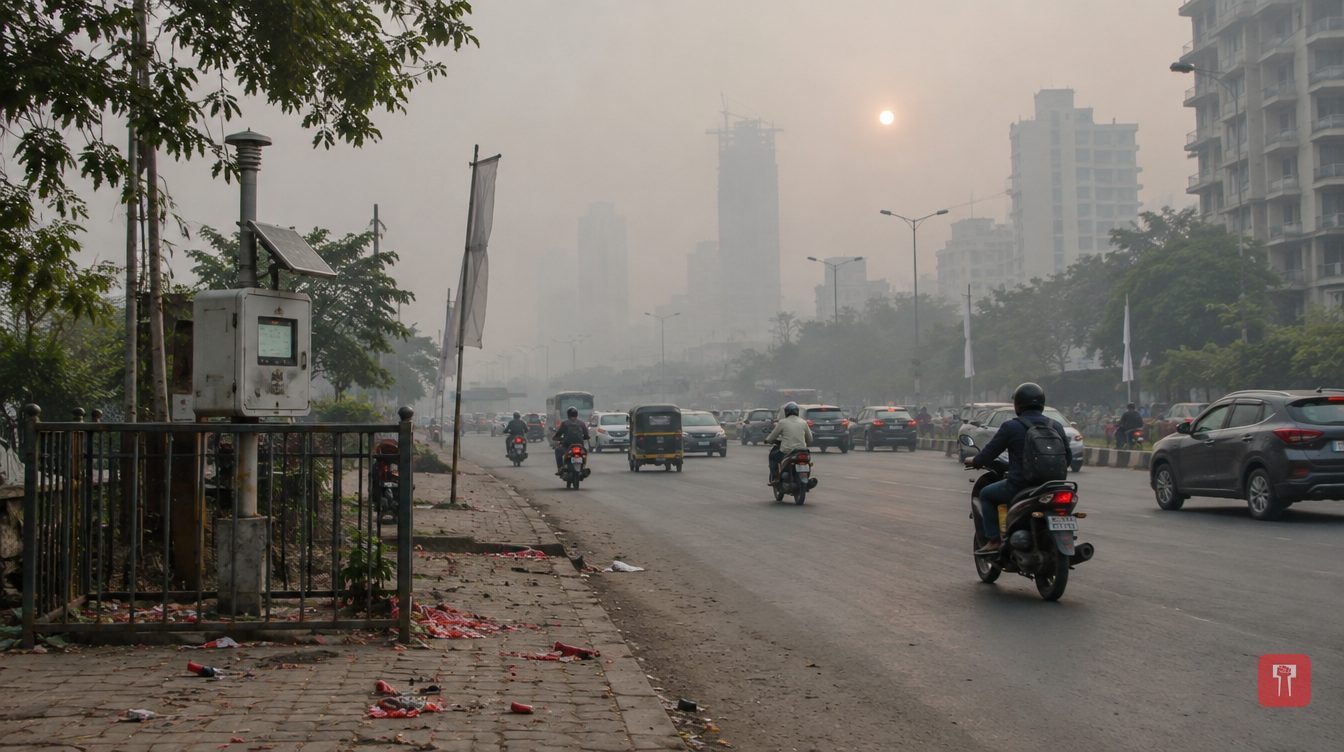 Images are not validated/verified
After Diwali, Mumbai's AQI reached 171 on November 9, and a neurologist warned that fine particles raise the risk of stroke and cognitive decline.
The fall in air quality after the Diwali celebrations has once again highlighted the serious health effects of air pollution. Concern has grown in particular over its impact on brain health.
Breathing and heart problems are widely discussed, but exposure to polluted air can also affect the brain. It is feared that this raises the risk of nervous system disorders, stroke and a decline in thinking and reasoning ability.
According to a recent report, Mumbai saw a sharp rise in pollution after Diwali on November 8 and 9, 2026. On November 9, the city's AQI reached 171, while air quality was recorded as poor at eight monitoring centres.
In several areas, pollution levels crossed 200. Fine particles (PM2.5) from the large-scale use of firecrackers were considered the main cause.
Dr Pavan Kishore Pai, consultant interventional neurologist and stroke specialist at Wockhardt Hospitals, Mira Road, said fine particles, especially PM2.5, can reach the bloodstream through the lungs and cause inflammation and oxidative stress.
According to him, these processes can affect blood vessels, including those that carry blood to the brain. This could raise the risk of problems related to the brain's blood vessels.
Dr Pai said, "Air pollution is not a problem only for our lungs; it is a growing concern for our brain as well. Fine particles from firecrackers, vehicle exhaust and industrial activity can cause inflammation, oxidative stress and damage in the network of blood vessels."
He added, "These factors can raise the risk of stroke, reduce thinking and reasoning ability and worsen nervous system health. People who already have a nervous system disease, the elderly and young children need to take special care when air quality falls."
Research increasingly shows that long-term exposure to air pollution raises the risk of stroke, decline in thinking and reasoning ability, and weakening of the nervous system.
Even short-term exposure to high pollution levels can aggravate existing health problems and affect vulnerable people.
Dr Pai advised people to monitor the daily air quality index (AQI), avoid exercising outdoors when pollution is high, wear a well-fitted N95 mask if they must go out, and ensure good ventilation at home along with proper air filtration. He also said people should avoid needless exposure to firecracker smoke.
Reach readers on the ward they actually live in.
Advertise with Prime Time 24Reach readers on the ward they actually live in.
Advertise with Prime Time 24Reach readers on the ward they actually live in.
Advertise with Prime Time 24Choose primetime24.com as a preferred source on Google Google shows more stories from your preferred sources in Top Stories.
Reach readers on the ward they actually live in.
Advertise with Prime Time 24
Comments
No comments yet. Be the first.