

UN day on November 15 marks fight against transnational organised crime
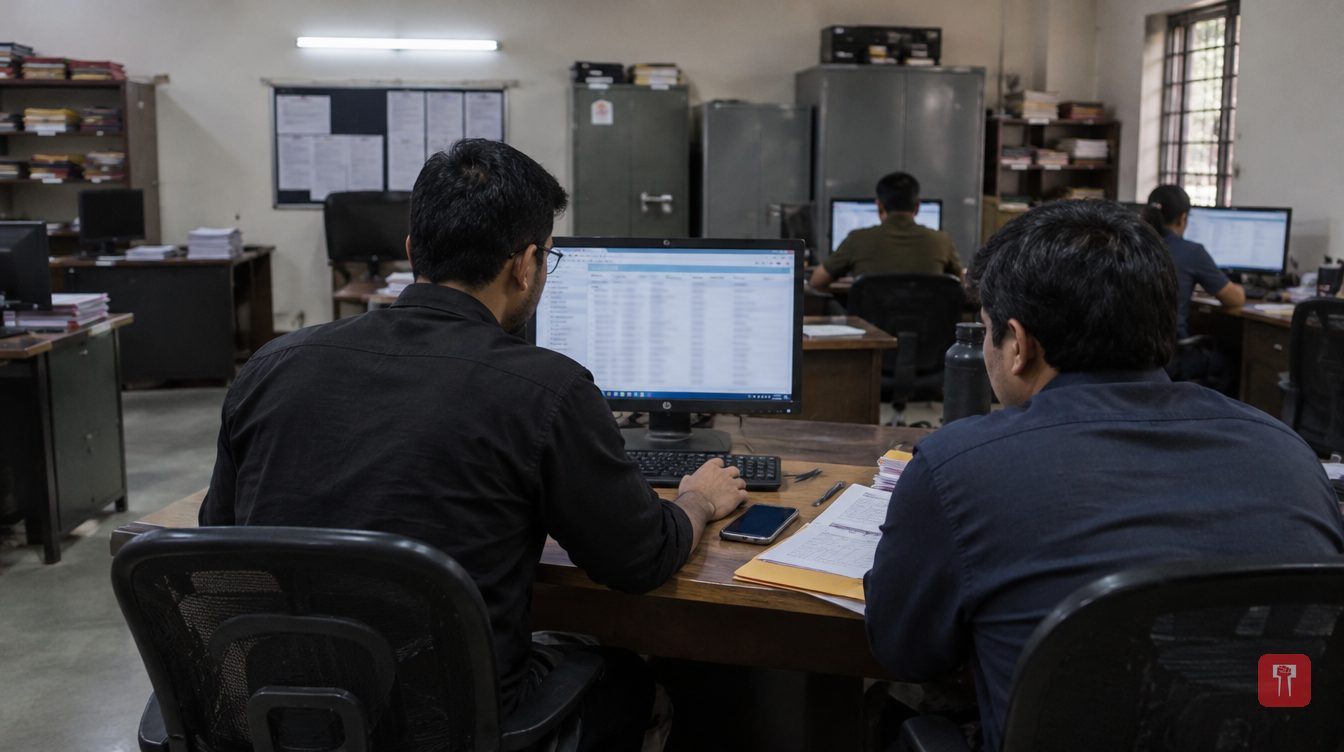 Images are not validated/verified
The UN General Assembly set aside November 15 in March 2024 for global action against organised crime, as scams, cybercrime and trafficking spread across borders.
In today's fast-moving digital world, the globe has shrunk to something like a small village. Information technology, communication and global trade have given progress a new direction. But the networks of criminal gangs that exploit this progress have spread across the world just as quickly. Crime is no longer bound by a country's geographical borders. Financial fraud against people in one country, drug trafficking and inhuman crimes such as human trafficking are being run from another country, all with careful planning.
To curb and effectively tackle this growing international organised crime, the "International Day for the Prevention of and Fight against All Forms of Transnational Organised Crime" is observed every year on November 15. The United Nations General Assembly (UNGA) passed an important resolution in March 2024 dedicating November 15 to this global fight. The day is not a mere formality. It urges all countries of the world to come together and take strict and decisive action against such cross-border crimes.
Serious crimes such as human trafficking, drug trafficking, cybercrime, illegal arms trafficking and money laundering are no longer confined to any one country. They endanger nations' national security, economic stability, rule of law and social peace.
Transnational organised crime is not like ordinary crime. Behind it work highly organised, financially powerful gangs equipped with modern technology. According to a report of the United Nations Office on Drugs and Crime (UNODC), organised financial fraud and cybercrime are among the fastest-growing threats today. Every year, crores of ordinary people and large businesses around the world lose billions of dollars to online scams, fake investment schemes and cyberattacks. The huge illicit money from this makes the gangs more powerful and is used for terrorism, buying weapons or other illegal activities.
In the past few years, networks of online scam centres have grown on a large scale in Asia and on other continents. Young people are trafficked there with the lure of jobs, then threatened, confined and forced to carry out cyber fraud. Criminals are also using artificial intelligence (AI) to create deepfake videos, voice clones and malware in an attempt to evade law enforcement agencies. Drug trafficking and the illegal wildlife trade threaten both the future of the next generation and the balance of the environment.
The day has several important aims. The first and biggest is to spread awareness of these crimes among the public, governments and institutions. People often fall victim to cybercrime or human trafficking unknowingly. If society is aware, criminals' designs can be foiled at the outset.
The second aim is to strengthen international cooperation. When a criminal commits a crime in one country and flees to another, or runs a gang from abroad, it becomes hard for one country's police to catch them. In such cases, exchange of information between the intelligence agencies, police forces and justice systems of different countries is essential. The third aim is to build the capacity of law enforcement bodies. The main idea behind it is to keep investigating agencies two steps ahead of criminals by giving them modern technology, cyber forensic tools and specialised training.
Today's challenges are so complex that no single country can tackle them alone. These international crime networks can be uprooted only through shared and coordinated efforts. For this, every country needs to make strict laws of its own, financially squeeze criminals ("follow the money") and make the banking system more transparent to stop money laundering.
In this fight, not only the government or police but also the private sector, technology companies, civil society and ordinary citizens have an equally important part. Tech companies will have to take responsibility for stopping crimes committed on social media and digital platforms. Taking concrete steps against global crime is every country's collective moral responsibility in building a safe, peaceful and just world.
Reach readers on the ward they actually live in.
Advertise with Prime Time 24Reach readers on the ward they actually live in.
Advertise with Prime Time 24Reach readers on the ward they actually live in.
Advertise with Prime Time 24Choose primetime24.com as a preferred source on Google Google shows more stories from your preferred sources in Top Stories.
Reach readers on the ward they actually live in.
Advertise with Prime Time 24
Comments
No comments yet. Be the first.