

Ten checks before a company picks an HRMS, from payroll to data security
Choosing a human resource management system is a key decision, and firms should judge fit for today and the next five years rather than the length of a feature list.
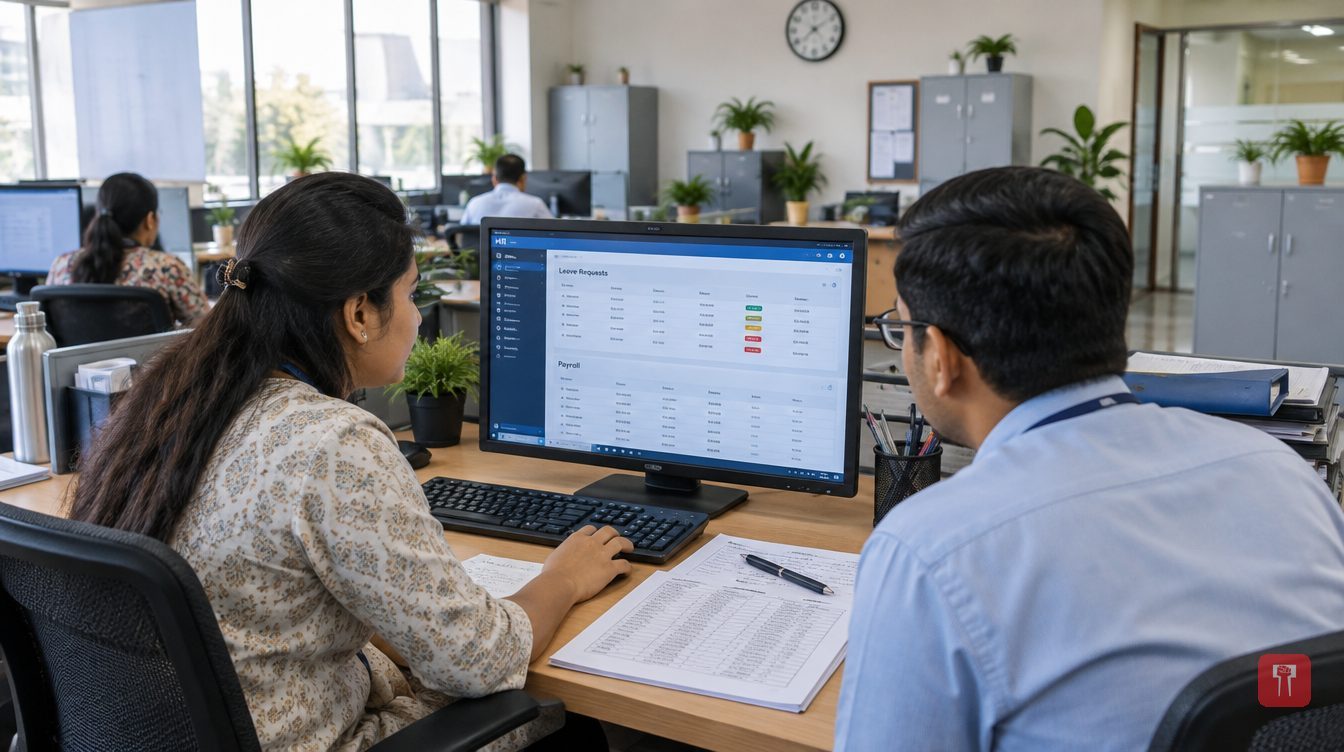 Images are not validated/verified
Choosing a human resource management system (HRMS) is considered one of a company's most important decisions. Every employee uses the system. Timely monthly salary payment and compliance with local labour laws also depend on it.
A wrong choice of software lets problems build up slowly and unnoticed. Employees start logging their data in Excel sheets instead of the new programme. Managers stop filling in information on the portal. The HR department ends up doing twice as much paperwork as before.
A long list of features should not be the main criterion when choosing the best HRMS. Companies should look at what they need today and what they will need over the next five years, and find software that fits both the present situation and future expectations.
The first step is to write down the real problems in the company before talking to vendors. Check whether payroll calculations often have to be corrected by hand, whether onboarding of new recruits keeps getting stuck on filling in the same documents and data repeatedly, whether leave approvals get lost in email chains, and whether senior managers get accurate, timely figures on attrition and manpower costs. Work out how many hours, how much money and how much employee frustration each problem causes. Apply this test to every demo. A feature that does not solve these problems can be set aside, however impressive it looks on screen.
Second, involve all departments from the start. Finance needs a proper salary structure and reconciliation with the ledger. IT seeks strict adherence to rules on data governance, single sign-on and identity management. Line managers need simple approval processes for shift planning, leave and appraisals. Employees use the self-service portal to claim expenses, mark attendance and view payslips. Gathering everyone's needs first avoids last-minute hurdles from Finance and IT, which are the main causes of delay in HR selection projects.
Third is the size and spread of the company. A company with 150 employees in a single office has different needs from one with 5,000 employees working across regions, free zones or separate entities. Check whether the system by itself handles multiple entities, currencies and legal jurisdictions, region-wise shift, allowance and attendance rules, and differing notice periods, probation and leave. These capabilities should be available today, not promised for later. Growing mid-sized firms should consider pricing that can be taken in stages, so they do not pay for large features they do not need.
Payroll is the least forgiving part of an HR system. To avoid moving data by hand, payroll should run on the same database as core HR, time tracking and leave management. Compliance should be genuinely tested, and companies should not rely on assurances alone. Ask for a live demo of a complicated payroll involving employees who joined mid-month, pro-rated allowances and retrospective changes. That is where accuracy either holds or breaks.
Recruitment software should be integrated into the HRMS so that a candidate's details flow automatically into the employee database once an offer is accepted. It should cover job advertising across multiple channels, a careers page, applicant tracking, interview scheduling, panel feedback and offer approval.
Ease of use and a mobile app also matter, because the real test of success is whether the system is actually used. Measure how long managers take for everyday approvals. On data security, get in writing the encryption, multi-factor authentication, role-based access, audit logs and compliance with local data protection laws. Implementation support and the SLA terms should also be clarified before the contract is signed.
Finally, calculate the total cost of ownership over three to five years, because the initial licence fee does not show the real cost. Run a pilot project in one department on real data and speak directly to customers of comparable size. For an unbiased decision, build a scorecard of all the initial criteria and have the heads of HR, Finance and IT review it together.

Comments
No comments yet. Be the first.