

Talk of higher bank FD rates, but not every bank is certain to raise them
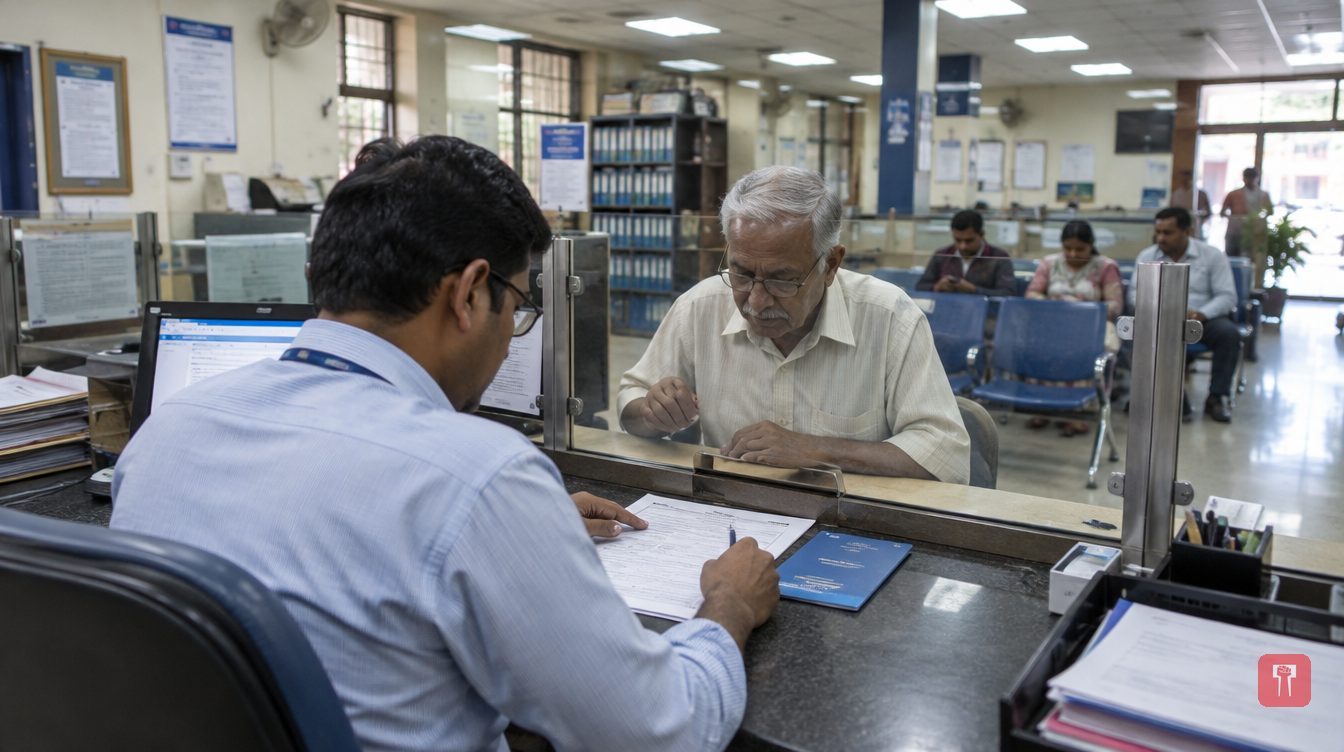 Images are not validated/verified
Banks need funds as loan demand rises, so FD rates may go up, but no firm decision means every bank will raise them.
Anyone planning a fixed deposit (FD) with a bank for safe returns may find this useful. There is talk in the banking sector of a possible change in interest rates to attract deposits.
Banks need to raise funds and loan demand is also rising. For this reason, a rise in FD interest rates is being anticipated. However, it cannot be assumed that all banks will raise rates, as there is no firm decision yet. FD investors are therefore watching upcoming banking decisions closely.
Deposits are central to banking. The money banks hold in deposits is what they lend out. When loan demand is rising, it becomes necessary for banks to maintain an adequate inflow of deposits. To draw customers, some banks may choose to raise FD interest rates. Liquidity in the market, deposit growth, the need to lend and other banks' rates may also affect the decision.
It is also important to understand that FD rates do not rise automatically when inflation rises. Interest rates are shaped by a combination of the Reserve Bank of India's policy rates, banks' funding needs and economic conditions.
If banks raise rates, customers who open new FDs may get a chance at higher returns. People who want a safe investment for a fixed term may find this option attractive. For example, if a bank raises the rate on an FD of a particular tenure, someone investing at the new rate could earn more interest than before. However, the actual return depends on the amount invested, the tenure, the applicable rate and the method of calculating interest.
Customers who already hold FDs will not necessarily get the benefit of a higher rate automatically. Existing deposits are generally governed by the terms fixed when the account was opened or the FD was made. It is therefore important to check the bank's rules before investing.
Many senior citizens prefer FDs for a regular income after retirement. Many banks pay senior citizens higher interest than other customers. If rates rise, senior citizens opening new FDs are likely to benefit. Even so, one should not invest on the basis of a high rate alone. Rules on premature withdrawal, tax and the deposit tenure should also be considered.
Before opening an FD, compare rates and tenures across banks, look at the special rates available for senior citizens, understand the penalty for premature withdrawal, and keep in mind the rules on tax and TDS on interest. Rather than investing the whole sum at once in the hope that rates will rise, plan according to your financial needs.
On the whole, the possibility of higher FD rates matters to investors, but the real benefit will depend on the banks' official announcements. Before opening a new FD, check the bank's latest interest rates and decide according to your needs.
Reach readers on the ward they actually live in.
Advertise with Prime Time 24Reach readers on the ward they actually live in.
Advertise with Prime Time 24Reach readers on the ward they actually live in.
Advertise with Prime Time 24Choose primetime24.com as a preferred source on Google Google shows more stories from your preferred sources in Top Stories.
Reach readers on the ward they actually live in.
Advertise with Prime Time 24
Comments
No comments yet. Be the first.