

Over 570 ships attacked in Black Sea this year, more than in Hormuz and Middle East
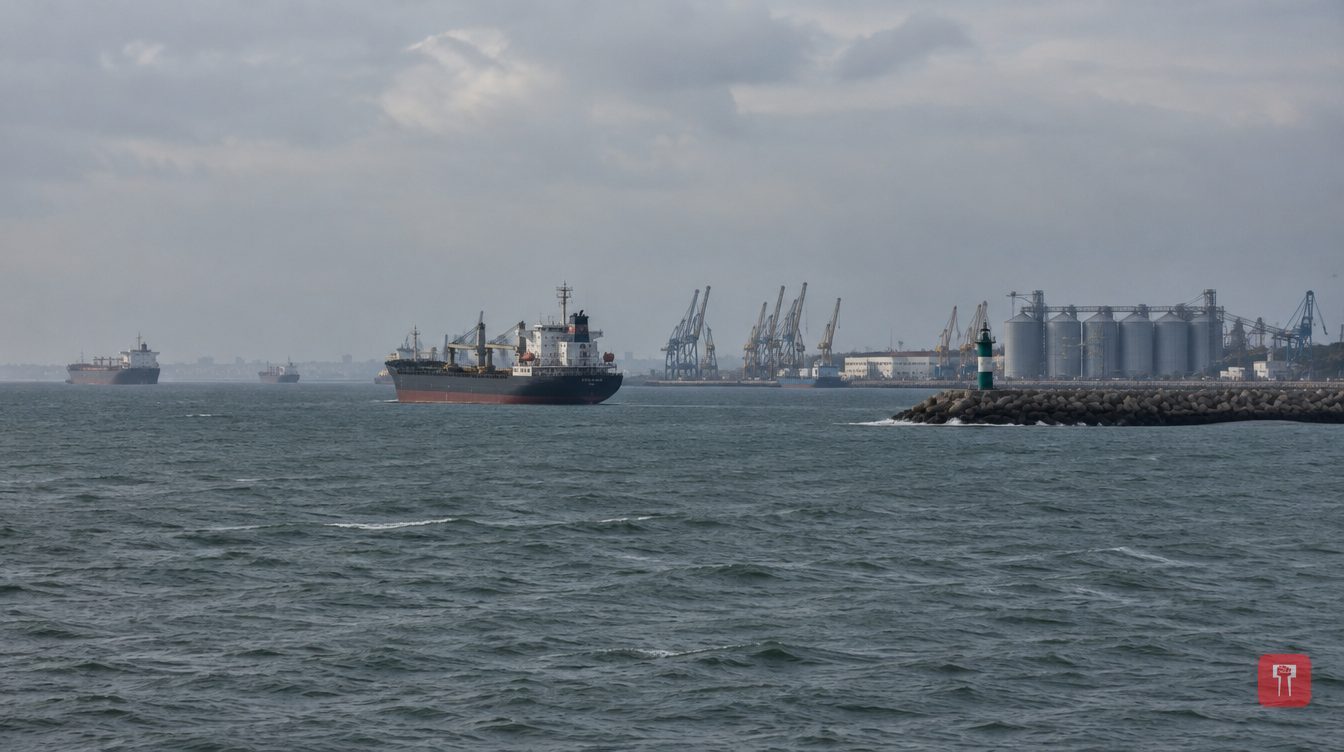 Images are not validated/verified
Maritime security data show the Black Sea has overtaken the Strait of Hormuz as the world's most dangerous sea route for merchant shipping, with over 30 seafarers dead.
While the world's attention is on the Iran war in the Middle East and tensions in the Strait of Hormuz, the Black Sea on Europe's edge has become the most dangerous route for global maritime trade. The fallout of the war between Russia and Ukraine has now reached international merchant ships and the innocent seafarers who work on them. In terms of attacks on vessels, the Black Sea has overtaken Hormuz and is now the world's most dangerous sea route.
According to data from maritime security firm Ambrey and the International Maritime Organization (IMO), more than 570 merchant ships have been targeted in the Black Sea so far this year. Attacks surged in the July-September quarter, when about 387 ships were hit, five times the figure for the previous quarter. In the third quarter, more than four ships a day on average were reported attacked in the Black Sea.
The comparison with the Middle East makes the picture clearer. According to the IMO, about 120 to 130 incidents have been recorded in the Strait of Hormuz and the wider Middle East since February, in which 25 people died. In the Black Sea attacks, by contrast, more than 30 seafarers have died so far and more than 20 are still missing. Fear of attacks has driven traders away from the Black Sea. In October, ship movements through the Bosphorus fell 41 per cent from a year earlier.
Russia and Ukraine are both targeting merchant ships to squeeze each other's economies. Russian forces have mainly attacked ships carrying grain and food exports from Ukraine, while Ukraine has responded with attacks by modern drones on Russian ships in another part of the sea. However, according to Ambrey, Russia is responsible for about 90 per cent of all attacks in the past 45 days.
The biggest concern is that the attacks are no longer confined to the coasts of Ukraine or Russia and have reached the exclusive economic zones (EEZ) of NATO member states. On October 15, the chemical tanker Wine Trader was hit by successive drone attacks off the coast of NATO member Romania. The vessel was badly damaged and seven seafarers are still missing. On October 23, the cargo ship Khoryv sank after an attack, also off Romania's coast. One seafarer died and three are missing.
The attacks on the open sea and near NATO countries' waters have put heavy pressure on Western nations. The changing situation has been described as "a new and difficult test for NATO".
The Iran war, now in its eighth month, continues to threaten global fuel and energy supplies. Meanwhile, the Black Sea conflict is dealing a heavy blow to the world's "granary". The Black Sea is the most vital lifeline for Ukraine's exports of wheat, maize and other farm produce. Shipping bodies have warned that if the violence continues, the world's grain supply chain could break and grain prices in developing countries could soar.
Ordinary seafarers are among those hit hardest. Ship owners or companies decide which port to call at and which route to take, and seafarers have no say. Men and women who went to sea to earn a living are now directly in the line of drones and missiles. With no sign of tensions easing for now, the future for seafarers, ship owners and marine insurers is far more frightening and uncertain than the world imagines.
Reach readers on the ward they actually live in.
Advertise with Prime Time 24Reach readers on the ward they actually live in.
Advertise with Prime Time 24Reach readers on the ward they actually live in.
Advertise with Prime Time 24Choose primetime24.com as a preferred source on Google Google shows more stories from your preferred sources in Top Stories.
Reach readers on the ward they actually live in.
Advertise with Prime Time 24
Comments
No comments yet. Be the first.