

Mumbai redevelopment wave lifts rental demand and improves returns for landlords
 Images are not validated/verified
Redevelopment is pushing up demand and rents across Mumbai's rental market, improving returns for landlords and investors.
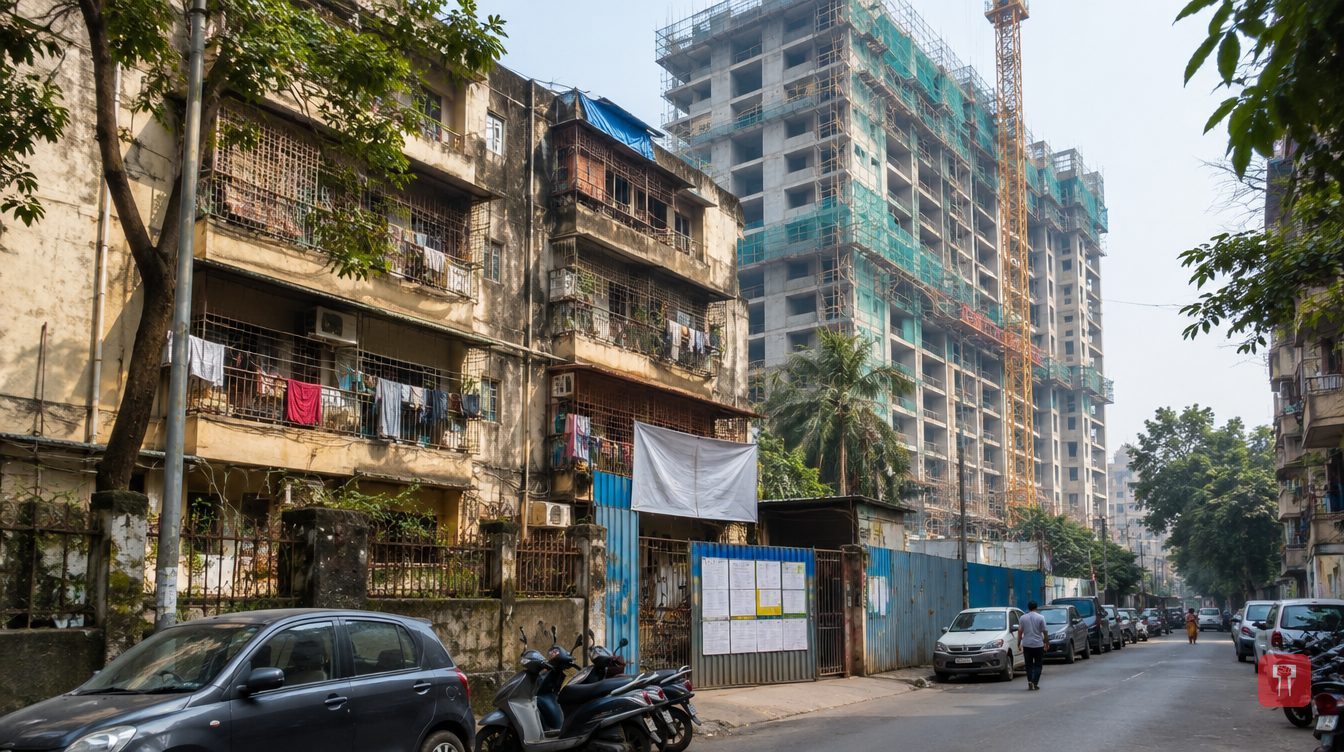
Redevelopment in Mumbai is no longer limited to putting up new towers in place of old buildings. Its effect is visible across the city's rental market. Demand for rented homes remains steady, rents are rising, and landlords and investors are getting better returns from rent than before.
The number of redevelopment projects has recorded an estimated compound annual growth rate (CAGR) of 66 per cent over the past five years. This shows that redevelopment of old buildings is gathering pace across Mumbai. As more housing societies move towards redevelopment, their residents are looking for rented homes close to their current neighbourhood, schools, workplaces and social circle. This is putting pressure on the local rental market, especially in older, established areas where fewer homes are available to begin with.
A distinctive feature of redevelopment in Mumbai is that developers themselves account for a large share of this rental demand. In many projects, displaced residents are paid temporary rent by the developer until redevelopment is complete. As a result, these families remain active customers in the rental market for a long time, often several years.
The trend picked up further after the Covid pandemic, as people's preferences in housing changed substantially. Bigger homes, better construction, improved amenities and a better overall living experience became important for many families. Residents of old buildings became keen to opt for redevelopment when offered the chance to move into a new and better home in the same area. In the interim, many chose to rent comparatively newer homes, which are generally more expensive than those in older buildings.
Nakul Saxena, head of home loans at Kotak Mahindra Bank, said: "As Mumbai replaces old buildings with new ones, redevelopment is affecting both the rental and ownership markets. Besides improving the quality of homes, this change is also improving the economics of residential real estate. Rising rents and better rental yields are making residential property attractive not only to those who want to live in it themselves, but also to investors looking for stable, long-term returns."
Mumbai's rental market has traditionally relied on people coming in from outside the city and on job growth. Redevelopment is now emerging as another important factor. Unlike many migrant tenants who change homes frequently, families affected by redevelopment stay in the same rented home for several years until their new homes are ready. This sustains demand and reduces the number of homes available for rent in certain areas.
As a result, demand for rented homes has risen in many parts of Mumbai. In some areas, redevelopment work combined with limited supply has pushed rents up by several times the general inflation rate. Higher rents have improved rental returns for landlords and investors, and residential real estate has become a more attractive income-generating asset than it was a few years ago. In many local micro-markets, rental income is becoming a very important part of total residential returns alongside capital value appreciation.
Reach readers on the ward they actually live in.
Advertise with Prime Time 24Reach readers on the ward they actually live in.
Advertise with Prime Time 24Reach readers on the ward they actually live in.
Advertise with Prime Time 24Reach readers on the ward they actually live in.
Advertise with Prime Time 24
Comments
No comments yet. Be the first.