

Govt departments told to prefer electric cars; price cap Rs 20 lakh for EVs, Rs 10 lakh for others
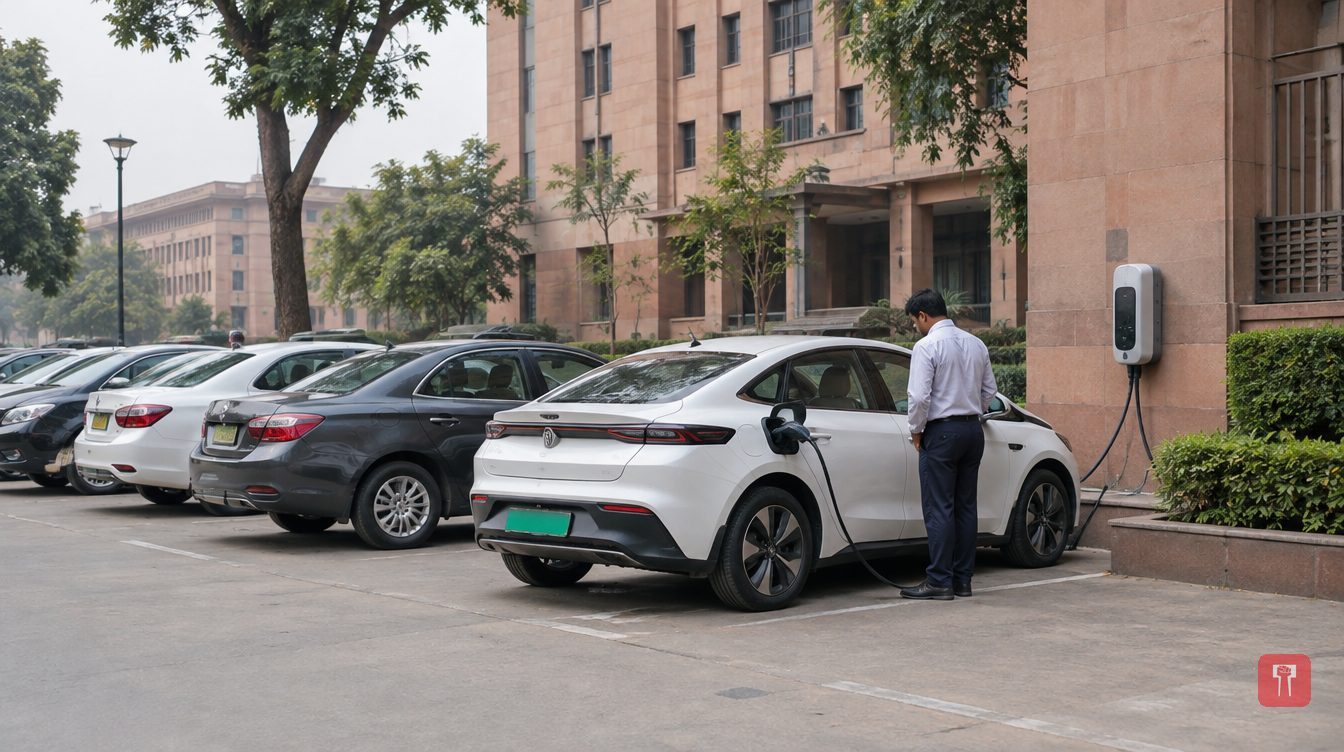 Images are not validated/verified
The Union Finance Ministry has revised vehicle purchase rules for ministries and departments, asking them to give electric vehicles first preference.
Amid the buzz over the 8th Pay Commission, the Centre has taken an important decision on the purchase of government vehicles. The Union Finance Ministry has changed the rules for ministries and government departments buying vehicles and directed them to give preference to electric vehicles (EVs).
Under the new guidelines, the net dealer price (NDP) limit for electric vehicles has been set at Rs 20 lakh. For petrol, diesel and hybrid vehicles, the limit is Rs 10 lakh. The decision is likely to increase the use of electric vehicles in government offices.
The guidelines issued by the Department of Expenditure of the Finance Ministry say ministries and departments should make electric vehicles their first choice when buying new vehicles. When acquiring a new vehicle for the use of government employees, they will have to consider the electric option first. The main aims are believed to be reducing pollution, encouraging lower spending on fuel and cutting the country's dependence on petrol and diesel.
The previous guidelines on buying government vehicles were issued in 2022. The price limit then was Rs 6 lakh. According to available information, the guidelines have been changed in view of the rise in vehicle prices, the options available in the market and the cost incurred over a vehicle's entire period of use. With the EV limit at Rs 20 lakh, departments will have more options and may find it possible to give preference to electric models while choosing the vehicles they need.
If a department cannot take an electric vehicle for a specific reason and has to buy a petrol or diesel vehicle, it must complete a set procedure. The ministry or department concerned will have to send a proposal to the Department of Expenditure giving solid reasons for needing a conventional-fuel vehicle. Each proposal will be considered separately on its merits. Before a proposal is sent, the approval of the secretary of the ministry or department and the consent of its financial adviser will be required.
The rules are not limited to new purchases. Ministries and departments will also have to follow the electric-vehicle preference guidelines for hired vehicles. They are expected to look at the electric option first when hiring a vehicle. If a petrol or diesel vehicle has to be hired for a specific reason, a proposal seeking an exemption may have to be sent to the Department of Expenditure under the rules.
The decision could promote the use of electric vehicles at the institutional level. If demand for EVs from government offices rises, it could open up new opportunities for vehicle makers.
However, ordinary government employees need not gain directly from this. The vehicle purchase guidelines and decisions on pay rises or allowances under the 8th Pay Commission are separate matters. The decision, which comes amid talk of the 8th Pay Commission, concerns government vehicle purchases and electric mobility and does not mean a pay rise has been announced.
Reach readers on the ward they actually live in.
Advertise with Prime Time 24Reach readers on the ward they actually live in.
Advertise with Prime Time 24Reach readers on the ward they actually live in.
Advertise with Prime Time 24Choose primetime24.com as a preferred source on Google Google shows more stories from your preferred sources in Top Stories.
Reach readers on the ward they actually live in.
Advertise with Prime Time 24
Comments
No comments yet. Be the first.