

Brazil votes in presidential runoff on Sunday as Lula and Bolsonaro clash in final debate
Incumbent Luiz Inacio Lula da Silva faces right-wing candidate Flavio Bolsonaro in the second round on October 25, after a heated final TV debate on Friday.
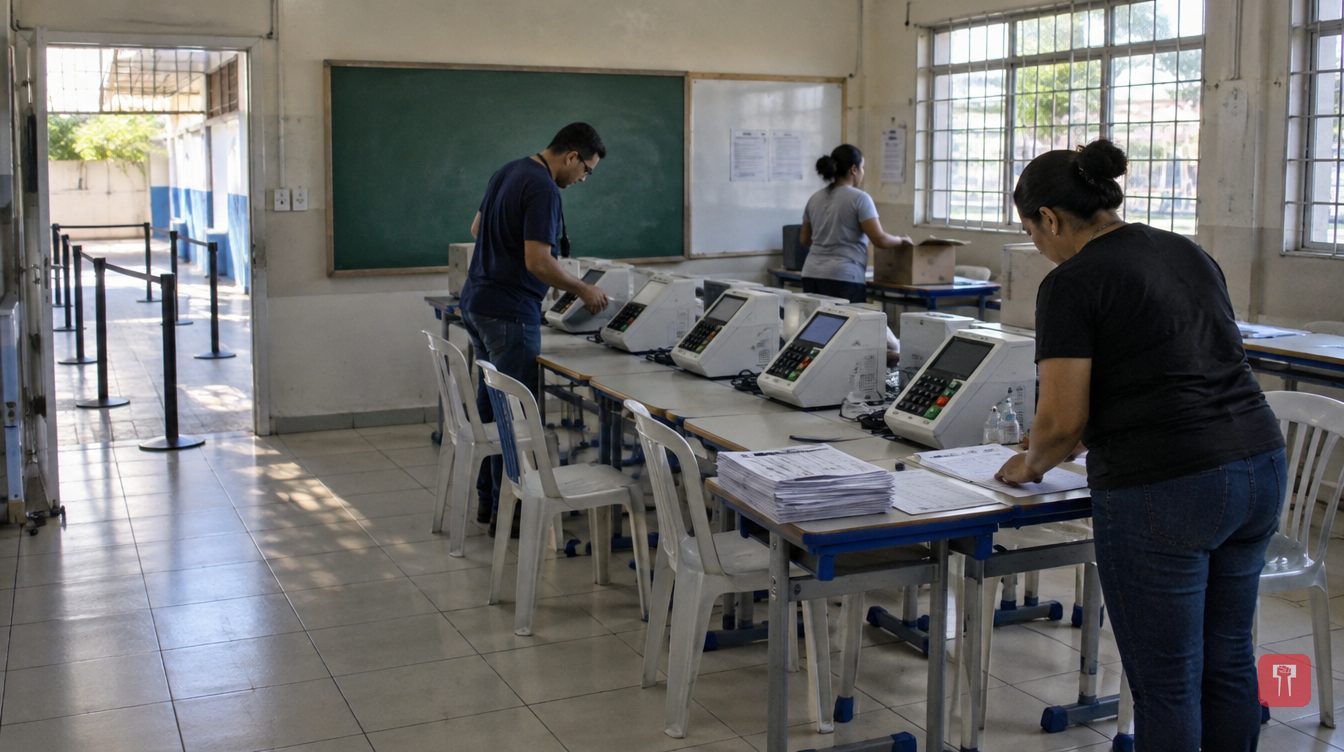 Images are not validated/verified
The race for Brazil's presidency has reached its final stretch. The second round of voting between incumbent President Luiz Inacio Lula da Silva and right-wing candidate Flavio Bolsonaro will be held on Sunday, October 25.
Just before this, the two leaders faced each other in a final televised debate on Friday, where they traded sharp accusations. Inflation, corruption, unemployment and rising crime were the main issues. The first-round results were extremely close, and the world is now watching to see who will take power in Brazil.
The first round of voting was held on October 4. Flavio Bolsonaro led with 47 per cent of the votes, while incumbent President Lula da Silva got about 45 per cent. However, no candidate won more than 50 per cent, so the election went to a second round. About 16 crore (160 million) voters will cast their ballots on Sunday.
In the final debate, Lula defended the social schemes of his government. He spoke of efforts to reduce poverty and cited the increase in the minimum wage. He also listed the schemes run for people in need.
Bolsonaro, on the other hand, targeted the Lula government over rising prices of grain and food items and over the tax system.
The two leaders also levelled corruption-related allegations against each other. The debate descended into personal attacks. Bolsonaro had made an objectionable remark about Lula, for which he later apologised.
The impact of the election will not be limited to Brazil. US President Donald Trump's support lies with Bolsonaro's political camp. If Bolsonaro wins, Brazil's ties with Washington could grow closer.
If Lula returns to power, the emphasis may be on maintaining current relations with China and other countries. Sunday's result could thus also decide the direction of Brazil's foreign policy. What will matter is whom voters who hope for economic stability, control of inflation and a curb on crime choose.

Comments
No comments yet. Be the first.