

Bombay HC declines to issue directions on Chhath Puja at Girgaum Chowpatty
 Images are not validated/verified
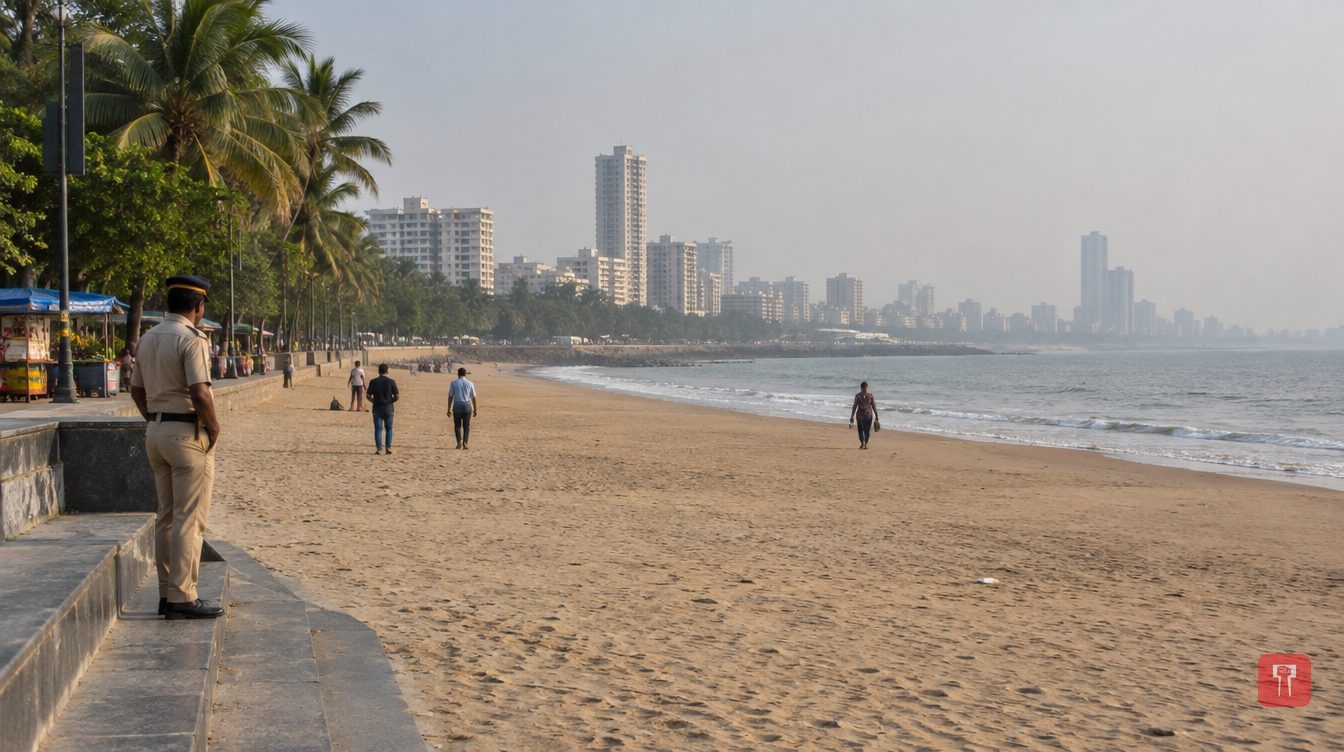
The Bombay High Court declined to give any direction on a plea seeking permission for Chhath Puja at Girgaum Chowpatty on November 15 and 16, 2026.
The Bombay High Court has declined to issue any direction on a plea seeking permission to hold Chhath Puja at Girgaum Chowpatty in Mumbai on November 15 and 16, 2026. A division bench of Justice Ranjitsinha Raja Bhonsale and Justice Advait M. Sethna passed the order on November 9.
The petition was filed by the Mithila Chhath Puja Sangh against the State of Maharashtra. The Sangh approached the High Court because the DB Marg police station had refused permission to put up a stage and make arrangements for celebrating Chhath Puja at Girgaum Chowpatty.
In a communication sent on September 17, 2026, the police station had said that, following earlier proceedings in the High Court, a high-power committee had been constituted for Girgaum Chowpatty. It had said that no events other than Ganeshotsav, Navratri festival, Ramlila, Krishnaleela and Christmas should be permitted on the beach. Prior permission from the departments concerned is required for this.
The organisers had also given a representation to the Chief Minister of Maharashtra on October 7, seeking permission for the event. The representation was said to be pending.
At the hearing, the State's counsel cited the High Court's earlier order in the Adarsh Chowpatty Pragati Mandal (2018) case. That order had laid down conditions for holding events at Girgaum Chowpatty. Under the directions issued in the earlier proceedings, certain activities were restricted to a fixed area of 300 x 150 square feet. The court had also clarified that the monitoring committee constituted in that case was a necessary party in proceedings concerning permission for activity on the beach or for building temporary structures and infrastructure.
The bench specifically asked the petitioner Sangh's counsel about compliance with these directions. The question concerned obtaining permission from the monitoring committee and making it a party to the proceedings. The counsel gave no reply.
The bench also referred to Article 25 of the Constitution. It said the provision guarantees freedom of conscience and the right to freely profess, practise and propagate religion, but that this right is subject to public order, morality and health.
Reach readers on the ward they actually live in.
Advertise with Prime Time 24Reach readers on the ward they actually live in.
Advertise with Prime Time 24Reach readers on the ward they actually live in.
Advertise with Prime Time 24Choose primetime24.com as a preferred source on Google Google shows more stories from your preferred sources in Top Stories.
Reach readers on the ward they actually live in.
Advertise with Prime Time 24
Comments
No comments yet. Be the first.