

Indore's sanitation record goes back to an 1892 Holkar-era municipal circular on cleaners' pay
 Images are not validated/verified
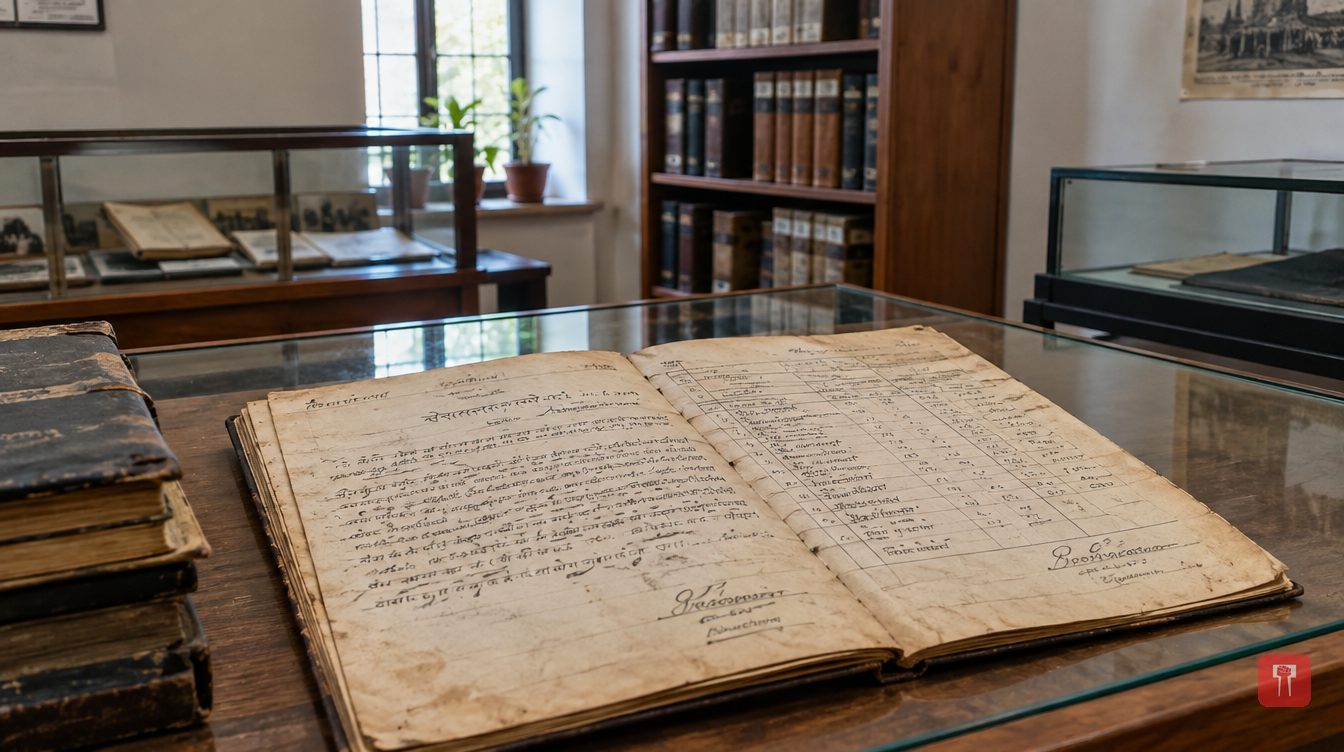
A June 1892 circular of the Indore Municipal Committee fixed payment for sanitation work, showing the city's cleanliness drive began over 130 years ago.
Indore's performance on the national cleanliness stage was below expectations this time. As the city slipped in the race for awards, its older records show a different picture. They show that sanitation was institutionalised in Indore more than 130 years ago, and is not merely the product of modern campaigns or awards.
In June 1892, the Indore Municipal Committee of the Holkar princely state issued a formal circular on the sanitation system and the wages of sanitation workers. According to historian Zafar Ansari, the municipality's Circular No. 9, issued on June 23, 1892, mentions arrangements for sweeping the city's roads, cleaning drains and collecting garbage.
The most important point in the document is its acknowledgement that the Mehtar community was made to do this work at the time but received no wages for it. To change this, the municipality decided to fix sanitation charges on the basis of the number of toilets in houses.
The original document is in Marathi, which was the main language of administration in the Holkar state. It is signed by Balkrishna Atmaram Gupte, then President of the Municipal Committee. The English title of the document also states that its purpose was to fix remuneration for the Mehtars and to fix responsibility for cleaning roads and drains.
According to the circular, monthly payment was fixed from the year 1302 (Fasli) for every house, based on the number of toilets and the cleaning arrangement. One recorded example is a house with three toilets and cleaning twice a day, which was to pay nine annas a month. A separate charge of four annas a month was fixed for godowns storing grain and opium. This suggests that this was the first attempt to link sanitation work to fixed payment and administrative rules.
Another important aspect of Indore's history relates to the reign of Maharaja Yashwant Rao Holkar II. The Zafar Ansari Museum also holds a rare picture of a sanitation worker of that period. According to its description, important steps were taken under Holkar rule for the upliftment of the deprived sections, for education and for social equality. Rules were also framed giving the sanitation workers' community the right to draw water from the state's government wells, to enter temples, and, for women, to wear gold and silver jewellery.
As Indore reviews its standing on national cleanliness benchmarks, these historical documents remind the city of its heritage. Indore's cleanliness journey cannot be understood through awards and rankings alone. Its real legacy also lies in the systems, reforms and contribution of sanitation workers who laid the foundation of the city's cleanliness. The review that follows the current results should also remember this legacy.
Reach readers on the ward they actually live in.
Advertise with Prime Time 24Reach readers on the ward they actually live in.
Advertise with Prime Time 24Reach readers on the ward they actually live in.
Advertise with Prime Time 24Choose primetime24.com as a preferred source on Google Google shows more stories from your preferred sources in Top Stories.
Reach readers on the ward they actually live in.
Advertise with Prime Time 24
Comments
No comments yet. Be the first.